Most people own too much. That’s not a moral failing — it’s just arithmetic. The average home holds thousands of objects, and the average person can account for maybe a few hundred of them. The rest sit in drawers, closets, and storage units, quietly costing money, attention, and peace of mind. minimalism-lifestyle-guide-owning-less-to-live-more/”>minimalism-guide-reclaim-your-attention/”>Minimalism, properly understood, is not about owning nothing. It’s about owning deliberately — the practice of asking what each object, commitment, and obligation actually contributes to the life you want to live, and having the nerve to act on the answer.
The friction shows up long before you’ve decided anything. You open a closet and feel tired. You scroll through a calendar packed with commitments you don’t remember agreeing to. You buy a new thing to solve a problem, then buy storage to hold the thing. Clutter isn’t just physical. It’s mental load, decision fatigue, and a low hum of guilt that never quite goes quiet. Minimalism addresses all of it, but only if you approach it as a practice rather than a purge.
Why Most People Fail
Here’s the uncomfortable truth: most minimalism attempts collapse within weeks. Not because people lack discipline, but because they mistake the aesthetic for the practice. They buy matching storage bins and photograph their tidy shelves, then quietly refill every empty surface within a month. The problem isn’t the stuff. It’s the absence of a decision-making framework. Without one, you’re just moving objects around and calling it progress.
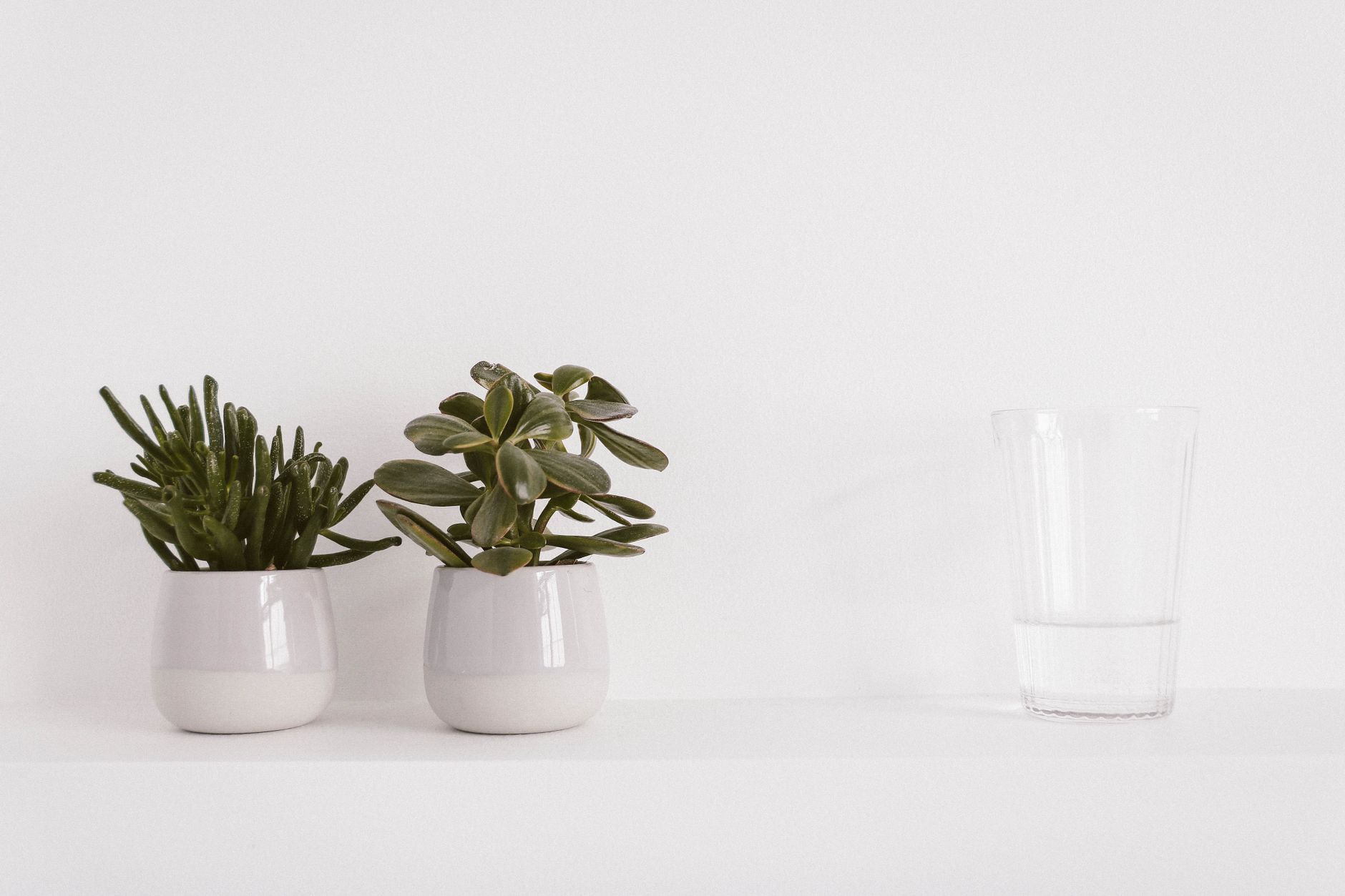
Others fail because they try to do everything at once. A single weekend of aggressive decluttering creates a vacuum that life rushes to fill. The KonMari method, capsule wardrobes, the 30-day challenges — these are tools, not transformations. Real minimalism is a slow recalibration of how you decide what stays. Skip that step and you’ll be back where you started by spring.
And there’s a third failure mode worth naming: people confuse minimalism with deprivation. They strip their lives down to a monk’s cell, feel briefly virtuous, then burn out and rebound into consumption. A life with nothing in it isn’t minimal — it’s just empty. The goal is intentionality, not austerity.
Strategy
Five moves. Not glamorous, but they work.
- Define your “enough.” Before you touch a single object, write down what a good day looks like. What do you actually use? What do you actually care about? Minimalism without a target is just random subtraction. When you know what matters, everything else becomes negotiable.
- Use the one-in, one-out rule — but with a twist. The standard version says every new item replaces an old one. The twist: ask whether the new item improves your life more than the old one did. If the answer is no, don’t buy it. If yes, let the old one go without ceremony.
- Adopt the 90/90 rule for decisions. Have you used it in the last 90 days? Will you use it in the next 90? If both answers are no, it’s a candidate for removal. This simple filter clears more space than any aesthetic system ever will.
- Build a “maybe” box. Not everything deserves an immediate verdict. Seal questionable items in a box for 30 days. If you haven’t opened it by then, you don’t need what’s inside. This removes the emotional pressure of immediate decisions while still producing results.
- Apply minimalism to time, not just things. Your calendar is a closet too. Audit your commitments with the same question: does this earn its place? Cancel one recurring obligation this month. Notice how much lighter the week feels.
None of this requires buying anything. That’s the point. The best minimalist tool is a question, not a product.

Common Mistake
The biggest trap is treating minimalism as a destination rather than a practice. People declutter once, feel the relief, and assume they’re done. Then life happens — gifts, purchases, hand-me-downs, new hobbies — and the clutter creeps back. Within a year they’re back to square one, convinced minimalism “doesn’t work for them.”
Here’s the counter-intuitive part: minimalism isn’t about getting rid of things. It’s about becoming the kind of person who notices when something no longer serves you and acts on it without drama. The objects are downstream of that identity. Skip the identity work and you’re just rearranging furniture.
One more trap worth naming: perfectionism. Some people refuse to start until they have the perfect system, the right bins, the ideal plan. That’s just procrastination in a nicer outfit. Start messy. Start imperfect. Start today with one drawer. The system will refine itself as you go.
The 30-Day Challenge
A concrete plan, four weeks, no purchases required.
Week 1 — Observe. Don’t remove anything yet. For seven days, keep a running list of every object or commitment that makes you sigh, hesitate, or feel weighed down. No decisions, just data. Most people are shocked by how consistent the list becomes by day four.
Week 2 — Subtract. Each day, remove one item from your list. Not ten. One. Small daily action beats a weekend purge every time, because it builds the decision-making muscle without triggering the rebound effect. By day fourteen you’ll have removed seven things and, more importantly, seven excuses.
Week 3 — Audit time. Shift from objects to obligations. Look at your calendar and your inbox. Identify three commitments that no longer earn their place. Cancel one. Delegate one. Renegotiate one. Watch what happens to your energy.
Week 4 — Establish the rhythm. Pick a recurring weekly check-in: fifteen minutes, same day, same time. Review what’s accumulated. Make one or two small removals. This is the step almost everyone skips, and it’s the one that makes minimalism stick. The check-in is the practice. Everything else is just the first attempt.
Key takeaways, if you want the short version:
- Minimalism is a decision-making practice, not an aesthetic.
- Define what “enough” means before you start removing anything.
- Use the 90/90 rule and the “maybe” box to reduce decision fatigue.
- Apply the same filter to your calendar that you apply to your closet.
- Build a weekly check-in — the habit matters more than the purge.
Minimalism won’t make you happier by itself. No system will. What it does is remove the friction that keeps you from noticing what already makes you happy. That’s a quieter promise than the glossy photos suggest, and a more honest one. So here’s the question worth sitting with: what would you keep if you had to choose deliberately — and what have you been holding onto purely out of habit? Start with one drawer. The answer will find you.