The average home contains around 300,000 objects. Sit with that number. Now look at the shelf nearest you — the one you stopped seeing months ago. The tangled cables. The gifted candle you’ll never burn. The third pair of scissors. None of it arrived by decision. It accumulated, one harmless purchase at a time, until the space around you started asking something of you every day: manage me, clean me, insure me, find a place for me. Minimalism is not an aesthetic of empty white rooms. It is the deliberate act of removing what competes with what matters. And it begins with a question most of us never ask: what is all this stuff actually doing to my attention?
Here is the friction. You have read the books. You have watched the documentaries. You have even cleared a drawer or two. Then life resumes, the mail piles up, a sale lands in your inbox, and within weeks the drawer is full again. Laziness is not the problem. The problem is that you have been treating minimalism as a project with an end date, when it is really a set of small decisions you keep making. That gap between intention and habit is where most people get stuck.
Why Most People Fail
Three reasons, honestly. People begin with stuff when they should begin with purpose — decluttering without a clear answer to “what am I making room for?” is just tidying. They try to do it all at once, burn out in a weekend, and treat the relapse as proof they aren’t the minimalism type. And third, most overlooked: they never change the inflow. You can empty a closet in an afternoon, but if your buying habits stay untouched, you have simply created space for the next round. Outflow without inflow control is a treadmill.

Strategy
1. Define your non-negotiables before touching a single item. Write down the five to seven things that genuinely earn their place in your life — the good knife you cook with daily, the running shoes, the books you reread, the tools of your work. This list becomes your filter. When you hold an object and feel the familiar hesitation, you are not asking “might I need this someday?” You are asking “does this serve one of my non-negotiables?” That shift from open-ended doubt to a fixed standard makes decisions fast and final.
2. Control the inflow with a waiting period. This is the move that separates people who stay minimal from people who keep restarting. Any non-essential purchase gets a 72-hour delay. Write it down, set a reminder, walk away. Most desires dissolve within a day. The ones that survive three days are usually worth buying — and you will buy them with far less regret. You are not banning purchases. You are letting the impulse cool so the decision belongs to you and not to the advertisement.
3. Declutter by category, not by room. Rooms hide duplicates from you. Clear the bedroom today, and you will find three more phone chargers in the kitchen tomorrow. Instead, gather every item of one category into a single pile — all your cables, all your mugs, all your pens — and confront the true total. This is uncomfortable by design. It also produces the honest reckoning that room-by-room tidying never delivers. Start with the category you have the least emotional attachment to. Build momentum before you reach the sentimental boxes.
4. Give every kept item a home. A place for everything is not a cliché; it is the maintenance system. The moment an object lacks a designated spot, it becomes clutter by default. Before you finish any decluttering session, decide where each survivor lives. If you cannot name its home, that is information — it may not need to stay. Storage should be a home, not a holding cell for the undecided.
5. Practice subtraction as a weekly ritual, not an annual purge. Fifteen minutes, once a week. One drawer, one shelf, one digital folder. The goal is not to keep shrinking forever. The goal is to keep the system honest, because entropy never stops. Small, regular subtraction beats heroic seasonal decluttering every time — it never requires motivation, only a timer.
Common Mistake
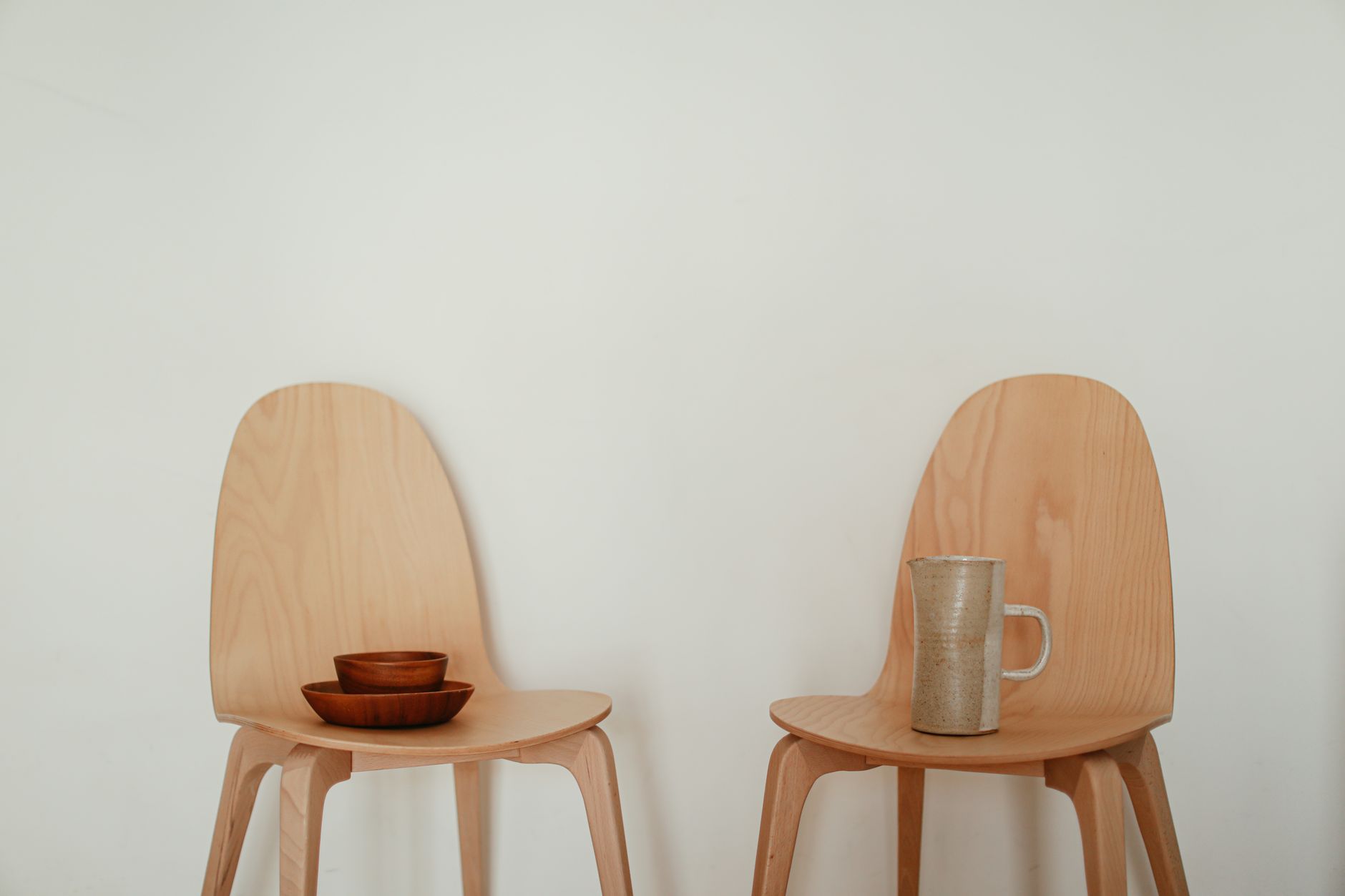
The trap is turning minimalism into another performance. You buy the matching storage baskets, the linen capsule wardrobe, the curated shelf with exactly three ceramics. Now you have spent money to own less, and you are maintaining an image rather than a life. Somewhere along the way the question changed from “does this serve me?” to “does this look minimal?” Those are different projects, and only one of them frees your attention. Here is the counter-intuitive part: the people who benefit most from minimalism often own more than you’d expect — they simply own everything on purpose. A maximalist who loves their objects and uses them all is living more intentionally than a minimalist performing emptiness. The number is not the point. The intention is.
The 30-Day Challenge
One month, four weeks, four moves. Keep it small enough that you cannot fail.
- Week 1 — The filter. Write your non-negotiables list (5–7 items) and post it where you will see it. Each evening, remove one obvious item from your home. No sentiment, no projects — just the easy wins. Build the muscle.
- Week 2 — Inflow control. Start the 72-hour rule on every non-essential purchase. Keep a running list of what you deferred. At week’s end, review it and notice how many desires evaporated.
- Week 3 — One category, fully. Pick a single category — cables, mugs, toiletries, digital files — and gather every instance into one place. Keep what serves your list. Give each survivor a home. Donate or recycle the rest the same day, before second thoughts arrive.
- Week 4 — The ritual and the review. Fifteen minutes of subtraction each day, rotating through spaces. On day 30, reread your non-negotiables and ask whether your home now matches them. Adjust the list if it was wrong — the list is a tool, not a vow.
Expect the third week to feel hardest. That is usually where the emotional categories live, and where the real work happens. If you fall behind, drop the schedule, not the practice.
Minimalism will not make you calm by itself. It removes a specific kind of noise — the low hum of things asking for your attention — and hands the quiet back to you. What you do with that quiet is the actual project. So here is the question to sit with tonight: if your space stopped demanding management, what would you finally have the attention for? You do not need a perfect home to answer that. You need one honest drawer, one waiting period, one small subtraction — repeated. Start with the shelf nearest you. It has been waiting a long time.