The clock on my desk reads 4:47 p.m. It has read 4:47 p.m. for three days, because I stopped winding it. That small mechanical failure taught me what no productivity book ever did: a watch you never reset will drift. So will a life you never examine. Most people I meet don’t have a time problem. They have an attention problem dressed up in a calendar. They own the same twenty-four hours as everyone else, yet they end each day feeling robbed of an hour or two. Nobody robbed them. The hours left quietly, one small choice at a time. This article is about getting them back without turning your life into a spreadsheet.
The friction is real, and it has a shape. Messages colonize your morning before you’ve decided what matters. Meetings multiply. The important work waits until “later,” and later never arrives with a clean desk and a fresh mind. You finish the day busy and oddly empty. Tomorrow will be different, you promise. Tomorrow arrives with the same inbox and the same noise. Laziness isn’t the problem. Nobody ever taught you to protect your attention on purpose.
Why Most People Fail
Time management advice usually fails for three honest reasons. First, most systems assume you control your schedule. You don’t, not fully. A parent, a manager, a sick child can rearrange your Tuesday without asking. Second, people confuse motion with progress. A packed calendar feels virtuous, so we keep filling it. Third, and this is the uncomfortable one, many of us use busyness as a shield. If you’re always rushing, you never have to ask whether the work you’re rushing toward is the work you actually want. That question is heavier than any to-do list.

There’s a fourth reason, quieter than the others. We treat time as a resource to be optimized rather than a life to be lived. Optimization has no finish line. You can always squeeze more, and the squeezing becomes its own anxious hobby.
Strategy
1. Decide what a good day looks like before it starts. Not a perfect day. A good one. Two or three outcomes that, if achieved, let you close the laptop without guilt. Write them the night before, on paper, in plain language. “Finish the proposal draft. Call my sister. Walk for twenty minutes.” That’s it. The list is short because a short list is a list you’ll actually finish, and finishing builds the trust you need to keep going.
2. Guard one block of deep attention. Ninety minutes, ideally before the world wakes up and starts demanding things. No notifications, no tabs, no “quick checks.” This is the block where real work happens. Everything else is maintenance. If ninety minutes feels impossible, start with forty-five. The length matters less than the protection. A defended hour beats an open day.
3. Batch the shallow stuff. Email, messages, admin, the small errands that nibble at your focus. Give them a home on the calendar, two or three windows a day, and let them wait outside those windows. People will survive an hour without your reply. Most things labeled urgent are only loud.
4. Build a shutdown ritual. At the end of the workday, spend five minutes reviewing what happened, noting what’s next, and closing the loop in your head. Then stop. A ritual tells your brain the day is finished, so it stops rehearsing tomorrow’s tasks at midnight. Without one, work bleeds into dinner, into conversation, into sleep.
5. Leave slack on purpose. This one feels wrong to busy people. An unscheduled hour looks like waste. It isn’t. Slack absorbs the surprises that would otherwise wreck your whole plan. It’s also where you breathe, think, and notice your life happening. A calendar with no gaps is a calendar with no room for being human.
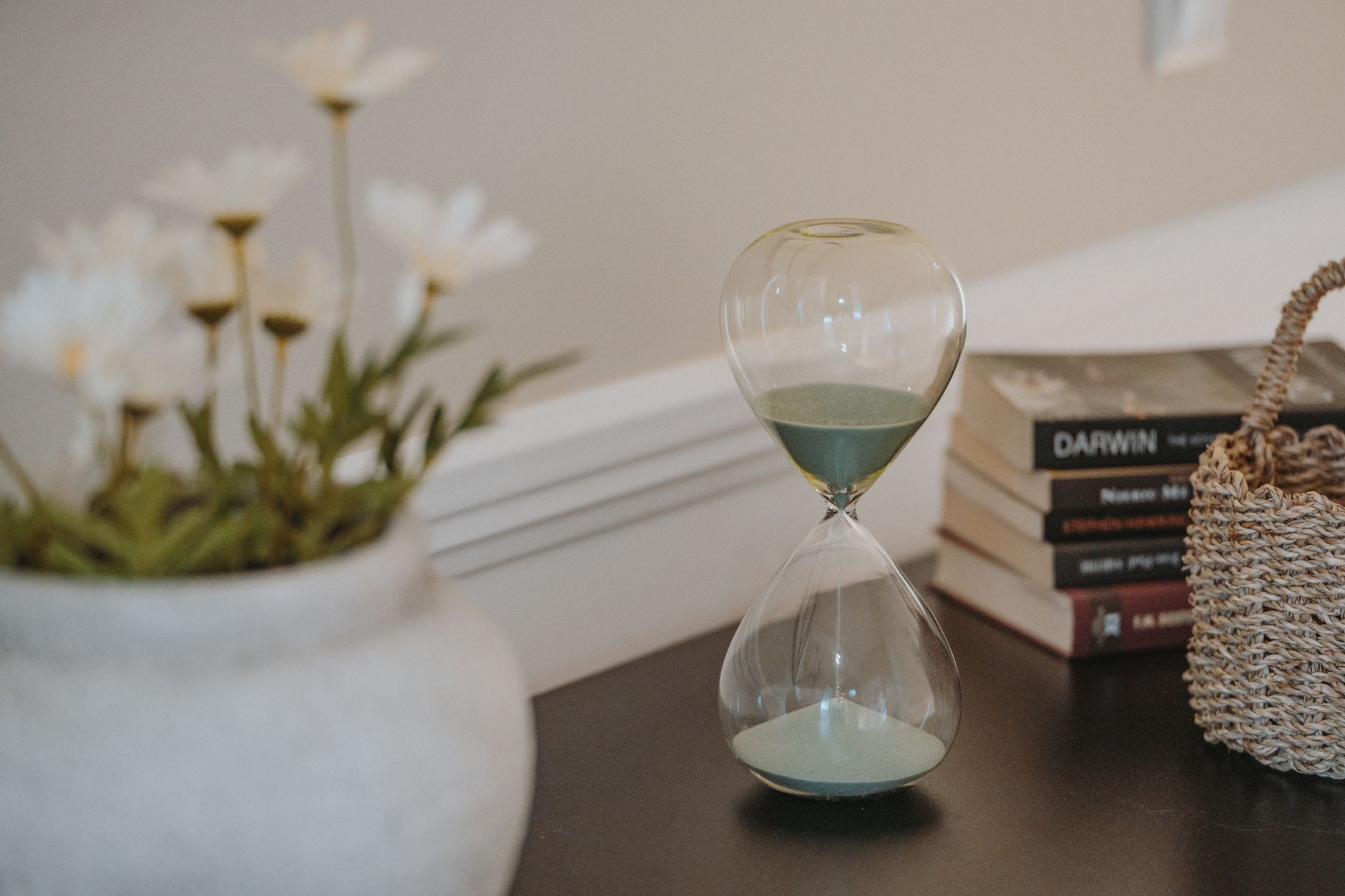
Common Mistake
The trap is treating the system as the goal. You buy the app, color-code the calendar, design the perfect morning routine, and feel productive before you’ve done a single meaningful thing. Planning becomes a sophisticated form of procrastination. The plan is not the work. The plan is a map, and maps don’t walk. Use the simplest system you can tolerate, then get on with the actual living. If your method takes more time to maintain than it saves, it’s a hobby, not a tool.
Here’s a counter-intuitive opinion I’ll defend: you don’t need better time management. You need a shorter list and more courage to say no. Most busy people aren’t failing to manage time. They’re succeeding at managing too many commitments. The fix isn’t a cleverer calendar. It’s subtraction.
The 30-Day Challenge
Four weeks, one small change per week. No apps required. A notebook and a willingness to be honest will do.
- Week 1 — Track, don’t judge. For seven days, note how you actually spend your hours. No changing anything yet. Just observe. Most people discover two or three hours a day vanishing into screens and low-value tasks they didn’t choose.
- Week 2 — Protect one deep block. Pick a ninety-minute window and defend it like a meeting with someone important, because it is. Turn off notifications. Tell the people around you. Do the work that matters most.
- Week 3 — Add the shutdown ritual. Five minutes at day’s end: review, note tomorrow’s three outcomes, close the loop. Then stop working. Notice how much lighter the evening feels.
- Week 4 — Practice saying no. Decline one commitment that doesn’t fit your priorities. Say it plainly, without a long excuse. “I can’t take that on right now” is a complete sentence. Feel the discomfort and do it anyway.
At the end of thirty days, review your notes. You’ll likely find that the change wasn’t dramatic. That’s the point. Small, defended changes compound. You won’t become a different person in a month, but you’ll start to trust your own word, and that trust is the real currency of an intentional life.
So here’s the question worth sitting with: if your calendar were a portrait of what you truly value, would you recognize the person in it? The clock on my desk is wound again. It keeps decent time now, and so, on most days, do I. Not because I found a better system, but because I stopped treating every hour as something to spend and started treating a few of them as something to protect. You have the same twenty-four hours. Choose a few of them on purpose, and let the rest be enough.